By: Lupita Carmona
October 16,2025
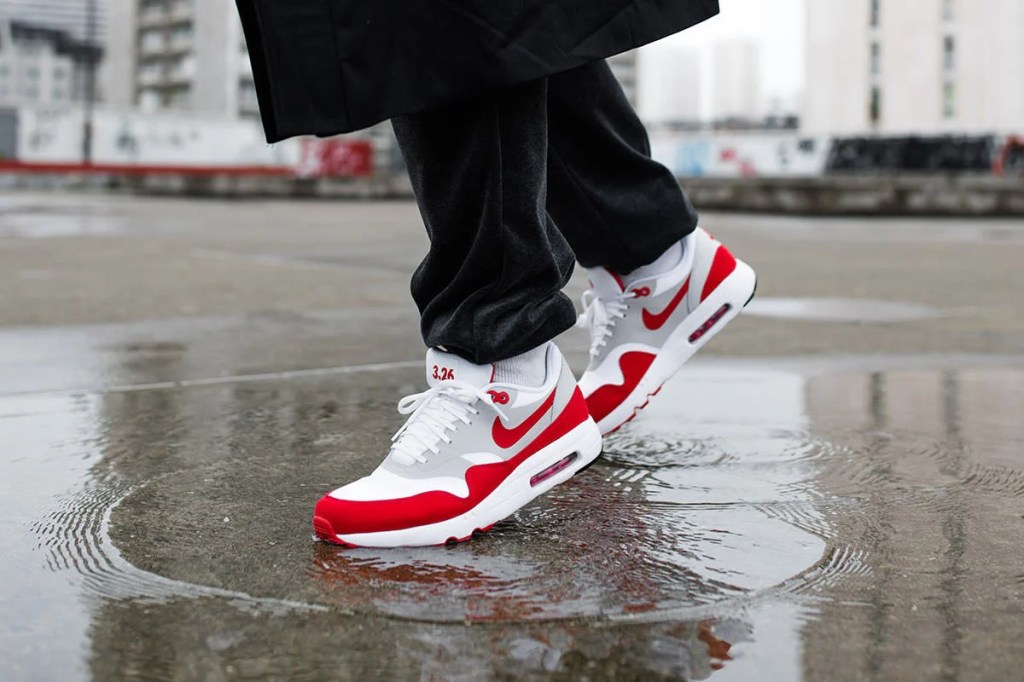
Nike continues to advance innovative technology in its footwear. The brand’s distinctive shoe designs drive significant interest among its followers. Developing a Nike orthopedic shoe would appeal to athletes recovering from foot injuries, such as plantar fasciitis, and expand Nike’s presence into an industry currently led by Brooks, Hoka, and Asics. The global orthopedic shoes market was valued at $5.45 billion USD in 2022 and is expected to register a revenue CAGR of 4.5% to reach $8.09 billion USD by 2031 (Growth, 2023). Launching a Nike orthopedic shoe demonstrates the market opportunity for orthopedic products. However, a shifting economy and changing tariffs are creating challenges for businesses and consumers.
Nike industry trends:
A pair of shoes can be customized to the consumers feet patterns. I had my feet scanned to get a perfect pair of shoes once before, I always assumed I was a size 9 regular shoe, but found out I was a size 8 and a 1/2 wide.
- Offering a customization/ personalized fit station at Nike stores could benefit that doctors, nurses, and medical students get personalized shoes to adhere to their shoes. This is also beneficial to those who are non medical personnel.
- Sustainability materials that would ensure the safety of the planet, and not just become a pair of shoes that end in a landfill after they are worn down.
Nike Orthopedic Shoe Implications:
- Pricing strategy- Nike is know for offering decent prices on their sneakers, an orthopedic shoe is not a decent price. When talking about prices Nike shoes are below $100 for their sneakers. Orthopedic shoes retail between $150-$175 from Nike’s best competitors. Could Nike find a way to keep prices low or would Nike have to use different materials to avoid the cost of making the shoes.
- Consumer perception of chunky shoes- I have once been told by a customer of the pharmacy that the shoes I had she wanted, she just didnt want the chunkiness of the shoe. Orthopedic shoes while comfortable tend to be chunky depending on the brand you are buying from. if Nike manages to produce an orthopedic shoe they would need to extensively research how to not make the shoe to chunky. Soeme consumers might see a chunky orthopedic shoe as a chunky heel. Women might not mind the chunkiness, males wont appreciate the chunkiness. Bulky shoes are unattractive.
Ethical and Legal Standards:
- Legal alignment: compliance with advertising laws and health claims. Certain products that aid in the health or advertise in the health of the consumer need to showcase that in the packaging. false advertising of anything related to the health field goes to the False Claims Act(FCA). ” The FCA provides that any person who knowingly submits, or causes to submit, false claims to the government is liable for three times the government’s damages plus a penalty that is linked to inflation.”(u.s department of justice)
- Sustainability and ethical production: with sustainable products, Nike has had trouble sticking to the narrative. Nike is trying to eliminate waste within the company. “when waste is produced, we systematically maximize diversion from landfill and work to achieve an 80% recycling rate.”(nike.com)Nike is also working to achieve the elimination of waste within the company in tiers based on the products produced and the materials required for the shoes that are currently being produced. a business needs to focus on making sales and being able to hold on to a company that is sustainable and cares about the environment. “In FY24, our textile-to-textile recycling initiative, which transforms polyester scrap and elements like laces into new material, has collected over 135 tons of high-PET (polyethylene terephthalate) content textile scraps for recycling and reincorporation.”(nike.com)
Limitations of Nike research:
- Limitations on consumer data for orthopedic shoes: As a person who wears orthopedic shoes i believe that the consumers that use them, use them to get relief from their everyday tasks and work. The orthopedic shoes are available in online retailers and only small brick-and-mortar stores. Consumers that buy orthopedic shoes are normally people with feet problems, and the elderly.
- Insuficient data performance for orthopedic shoes: Could the brands that make orthopedic shoes have the technology hidden for their shoes, so other brands don’t produce similar shoes to the ones that actual orthopedic brands have created. Could they be hiding the data that the actual shoes has on the consumers that buy them. Each orthopedic shoe from each brand that makes them have different materials and insoles that make the performance unique to that particular brand.
References:
https://www.growthplusreports.com/report/orthopedic-shoes-market/8663
https://www.justice.gov/civil/false-claims-act
https://about.nike.com/en/mission/focus-areas/sustainability
https://about.nike.com/en/mission/initiatives/eliminate-waste
 Site Title
Leave a comment