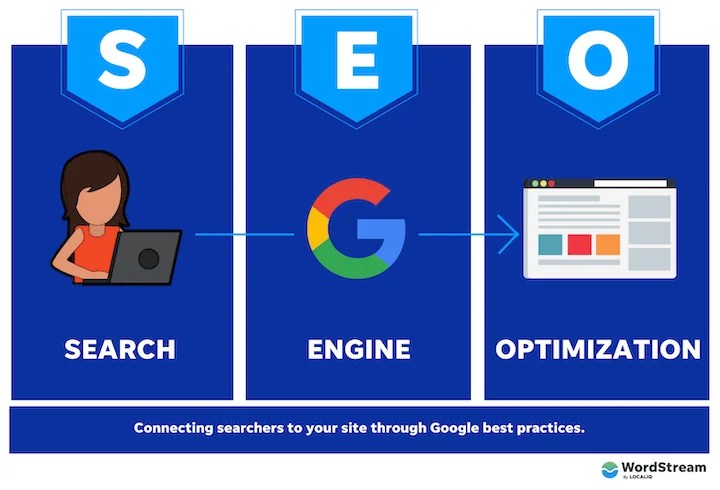
It boosts your Credibility: a business that is starting out requires a boost to be found by consumers. How can a consumer trust a brand-new site? How can a business bring consumers to their websites? ” Spend time improving and addding your site speed and researching keywords to help your site rank even higher.” (Muthoni,2021)
It doesn’t have to cost you anything: a new business depending on what they sell, does not have funds to hire a particular person to run marketing for them. “SEO does not cost anything like other marketing strategies such as pay-per-click.” (Muthoni,2021)
It supports content marketing: if a business has an instagram account for the business SEO can also help keep bring consumers to the instagram handle as well. ” But SEO can support your content marketing efforts too.” (Muthoni,2021)
It gives you a competitive advantage: a business that is starting out has already identified its competitors, but if we want a bit of a boost for our brand, the keywords we use still require us to invest in SEO. “Those who invest heavily in SEO often outrank the competition in search engine results and gain market share.” (Muthoni,2021)
Search Engine Optimization (Cons):
You have a radically new product or service: depending on the business at hand, any new product and/or service would require new keywords to track. ” Companies offering something really new have many exciting marketing options to chose from- but SEO is not one of them. ” (Shorr,2018)
Your website is an SEO disaster: keywords are a business’s best friend, but what happens when keywords are repetitive and or the same and the tags used within the business are confusing. ” Old or poorly constructed websites will need to be overhauled any investment of SEO makes sense.” (Shorr,2018)
Your budget is too small: Even if a business is just starting, it needs to set off with at least a small amount of budget for its marketing. “SEO does not lend itself to mechanical, assembly-line, formulaic execution.” (Shorr,2018)
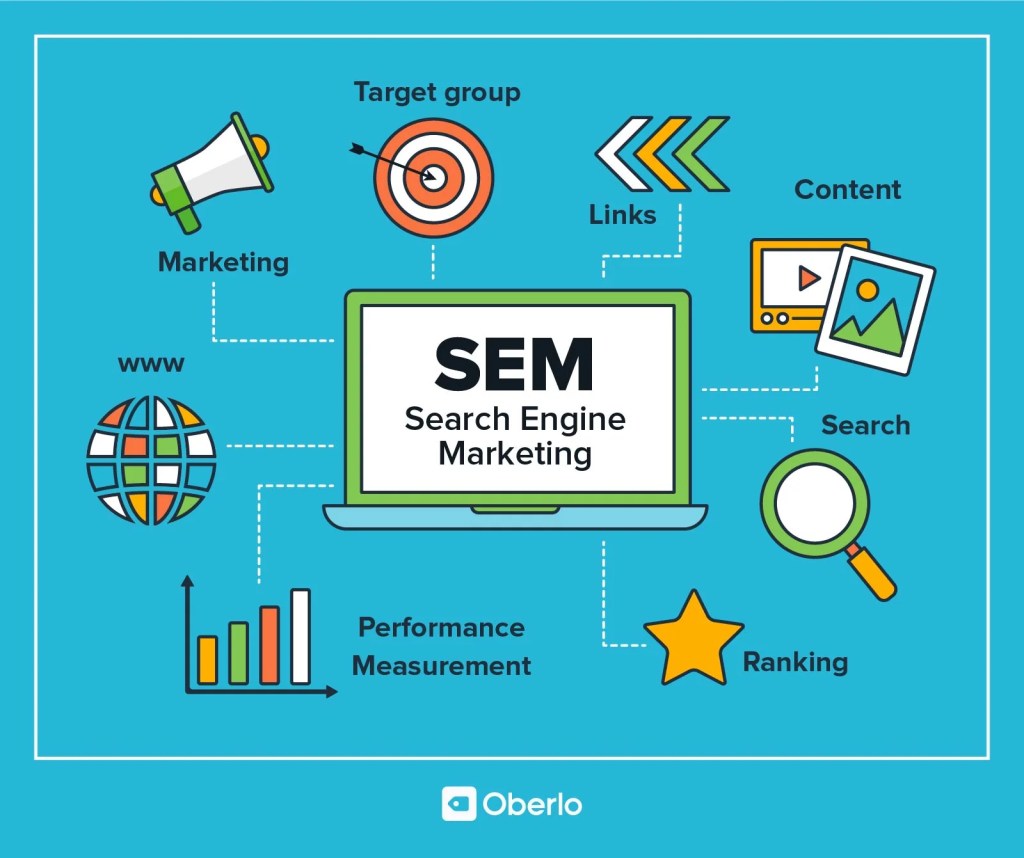
Search Engine Marketing (Pros):
increased traffic: a business that has the ability to afford SEM, this allows the business to place ads within their websites. “Search engine marketing boosts traffic by putting your search ads at the top of the results page.” Lanier,2025)
Maximized ROI: using paid search ads like(Google Ads) to generate the highest possible revenue for the lowest cost possible. “This helps reduce wasted spend and boosts returns to make the most of your budget.” (Lanier,2025)
Competitive opportunities: using SEM enables businesses to outpace rivals by identifying, analyzing, and capitalizing on competitors’ weaknesses. “SEM campaigns allow brands to keep a competitive edge by appearing above organic search results for high-value, relevant keywords, even in crowded markets. (Lanier,2025)
Search Engine Marketing(Cons):
High and constant costs: if a business is trying to save on costs. SEM is not free.”Compared to other digital marketing strategies, SEM can be quite costly as you’ll be paying based on the number of clicks.” (www.brandswift.com)
Ad blockers: some consumers find ways to place ad blockers on their computers so as to avoid getting ads within simple websites likes Forbes.com and while watching YouTube.”As we all know, there are users who make use of ad blockers on their browsers. Thus, when ad blockers are activated, the ads will not be displayed.” (www.brandswift.com)
Consistent monitoring and tracking is required: a business that has been able to afford SEM needs to keep track of the campaign that its using SEM on. “The SEM campaigns requires constant monitoring and tracking to achieve successful results and high return of investment (ROI).” (www.brandswift.com)
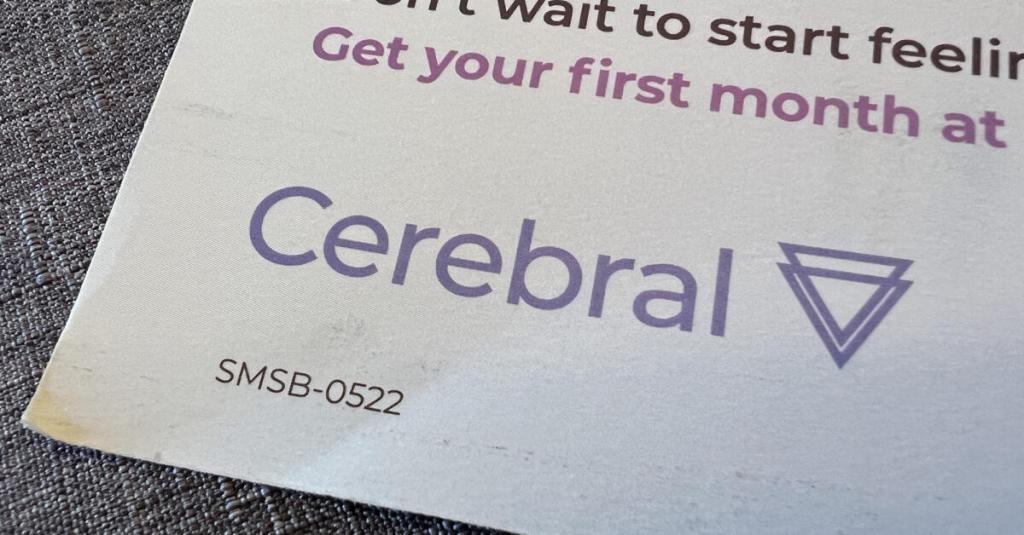
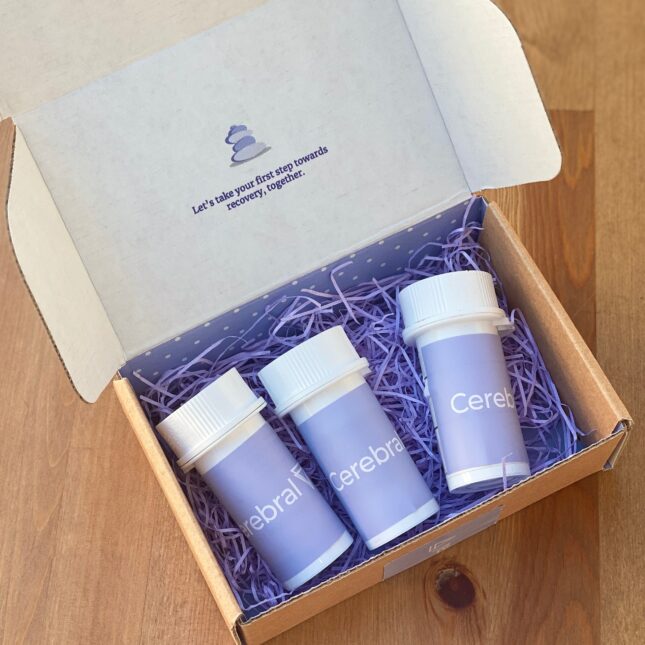
As consumers, we often encounter promotions from new businesses, such as Cerebral Inc., through coupons or free trials. Alongside these, we also receive the usual junk mail in our emails that we might never open. Working in a pharmacy has taught me that consumer safety must be the priority. For example, if manufacturers tamper with medication, we should advise all patients in writing of the issue and send the medication back for reimbursement, provided it matches the contaminated lot numbers and expiration dates.
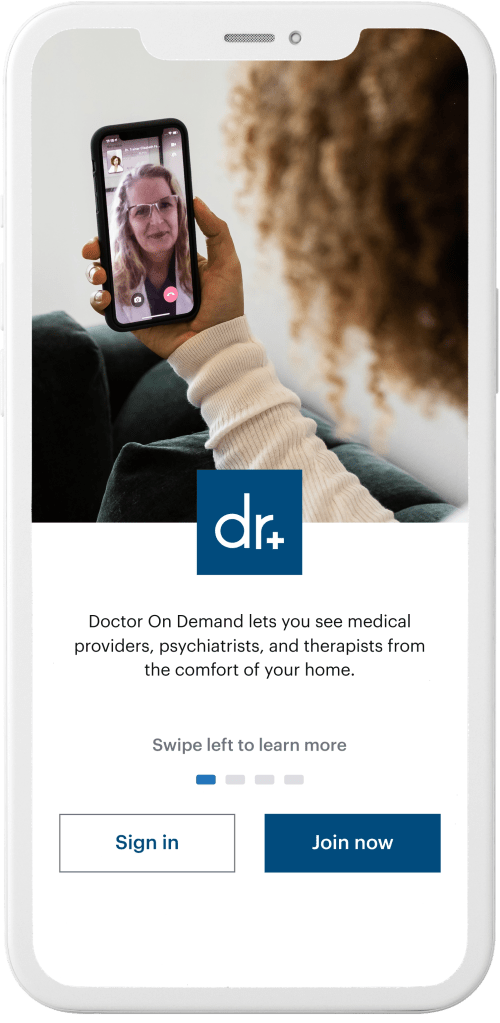
Cerebral Inc. was a mental health telemedicine service similar to Doctor on Demand, while Doctor on Demand focuses more on issues like COVID and flu symptoms. Cerebral Inc. was meant to be like Doctor on Demand, but focused on mental health, which affects many consumers. What exactly did they do wrong? Could something have been done differently to avoid such a disaster?
Broken Laws:
Broken law #1: CAN-SPAM Act of 2003″ is a law that sets the rules for commercial email, establishes requirements for commercial messages, gives recipients the right to have you stop emailing them.” (ftc.gov,2023)
Broken law #2: Restore Online Shoppers’ Confidence Act(ROSCA). A US federal law that protects consumers from deceptive online sales tactics, particularly those involving negative option features like auto-renewal subscriptions.
Broken law #3: Health Insurance Portability and Accountability Act( HIPAA). A US federal law that sets national standards for protecting sensitive patient health information or Protected Health Information (PHI).
As a consumer and pharmacy technician, Cerebral Inc. caused harm to its consumers. When certain types of data get released, it becomes knowledge to your neighbors and friends. From a medical standpoint, we would hate it if the company that is supposed to keep our information private releases it for people to see and know what we are being treated for. We can sign up for subscriptions and cancel anytime we like, without being charged for something we no longer require.
Consequences to consumer:
When dealing with data privacy and health privacy, they are similar but different. Data privacy includes name, date of birth, and social security number. As consumers, we should be given the ability to know how businesses should use our data and when. Laws are put in place to protect us, and the government should enact stricter laws to ensure consumer safety. We live in an era where scam calls and emails are a thing. Hackers can easily steal our data from businesses if they are not equipped to handle these types of scenarios. “From May to December 2021, the company failed to block former employees from accessing confidential electronic medical records of Cerebral patients. It also failed to ensure providers only accessed their patients’ records.” (Ftc.gov,2024)
Most consumers dont read the fine print when signing up for subscriptions. An example of this would be a subscription to http://www.forbes.com. Given that I am a business student, I should be able to cancel at any time and keep the subscription for academic purposes, since most websites offer 3 articles max and then require you to sign up for a service. If we cancel a subscription and then next month we’re billed, that’s not the best way to keep consumers around. ” Despite promising that consumers could “cancel anytime,” Cerebral required its clients to navigate a complex, multi-step, and often multi-day process to cancel. The complaint alleges that the company continued to charge consumers while it slow-walked consumers’ cancellation requests, which cost consumers millions in additional charges.” (ftc.gov,2024)However, we can’t retain consumers who no longer need our services, as that is illegal and would harm the business in the long run.
A patient’s privacy regarding any ailment or illness is a concern for the patient and the doctor only. The HIPAA breach affects only the consumer and the business that released this information without the patient’s knowledge. “Cerebral sent out promotional postcards, which were not in envelopes, to over 6,000 patients that included their names and language that appeared to reveal their diagnosis and treatment to anyone who saw the postcards.” (ftc.gov, 2024)As a consumer, I would hate it if the mailman knew I was battling depression or something worse, like schizophrenia, cause then someone other than the patient knows the disease and treatment drugs being taken to battle such diseases.
Penalties for breaking laws:
CAN-SPAM Act of 2003, is subject to penalties of up to $53,088, so non-compliance can be costly.
Restore Online Shoppers’ Confidence Act (ROSCA), up to approximately $53,088 per violation.
Health Insurance Portability and Accountability Act (HIPAA), ” HIPAA violation: Unknowing Penalty range: $100-$50,000 per violation, with an annual maximum of $25,000 for repeat violations. HIPAA violation: Reasonable Cause Penalty range: $1,000-$50,000 per violation, with an annual maximum of $100,000 for repeat violations. HIPAA violation: Willful neglect but violation is corrected within the required time period Penalty range: $10,000- $50,0000 per violation, with an annual maximum of $250,000 for repeat violations. HIPAA violation: Willful neglect and is not corrected within required time period Penalty range: $50,000 per violation, with an annual maximum of $1.5 million.” (ama-assn.org)
Given the penalties that can be imposed on businesses, the most severe is a HIPAA breach. The HIPAA breach is the most expensive based on the type of violation because the law gives businesses a chance to address issues that are going wrong in their business. As a business, if we break the law one year, the government gives us a chance to fix the problems that have gone wrong before causing a huge problem that can’t be fixed.
Actions to take as a marketer:
As marketers, it is up to us to identify and address issues/ flaws within the business, and to learn from past mistakes that have harmed businesses and consumers alike. The issues that occurred at Cerebral Inc. should be addressed by the company’s board and the CEO, and resolutions should be put in place to compensate consumers for breaches of data and patient/doctor confidentiality. Within this scenario, if we fire/terminate employees unlawfully, we need to implement new keys and changes to computer accounts so former employees dont have a chance to access files they no longer have access to because they dont work for the company anymore. This company did more harm than good because of what happened to their consumers. We have no way of knowing if they can trust a business again, let alone a physician who was trying to help, but it was the way that they set up the business that failed the consumer. The way they handled emails, subscriptions, and actual mail outside an envelope is illegal; a consumer’s business is theirs alone, not the postal service’s, a nurse’s, or anyone else’s with access to the actual stuff the business sends to the consumer.
Old Marketing Techniques going into the Era of the internet
I remember when I was a child, my dad would receive a catalog for purchasing CDs to add to his music collection. I was told to look at the catalog, but not to rip it apart since my dad wanted to buy CDs and would require the identification number for his favorites. Nowadays, it’s rare to find music catalogs; your best chance of obtaining a CD is through flea markets, garage sales, or donations to your local Goodwill. The internet has undergone significant evolution over the last 30 years, and businesses have had to adapt to new methods of reaching consumers. If you want to listen to your old tunes, they can still be made the old way, but now it’s on vinyl. Over the last 10 to 15 years, cell phones, MP3 players, and the iPod have become the primary means of enjoying music. Now, almost everything can be done on your phone, computer, or tablet. Even the copying and pasting of music into a USB drive is old news.
Why mobile Marketing?
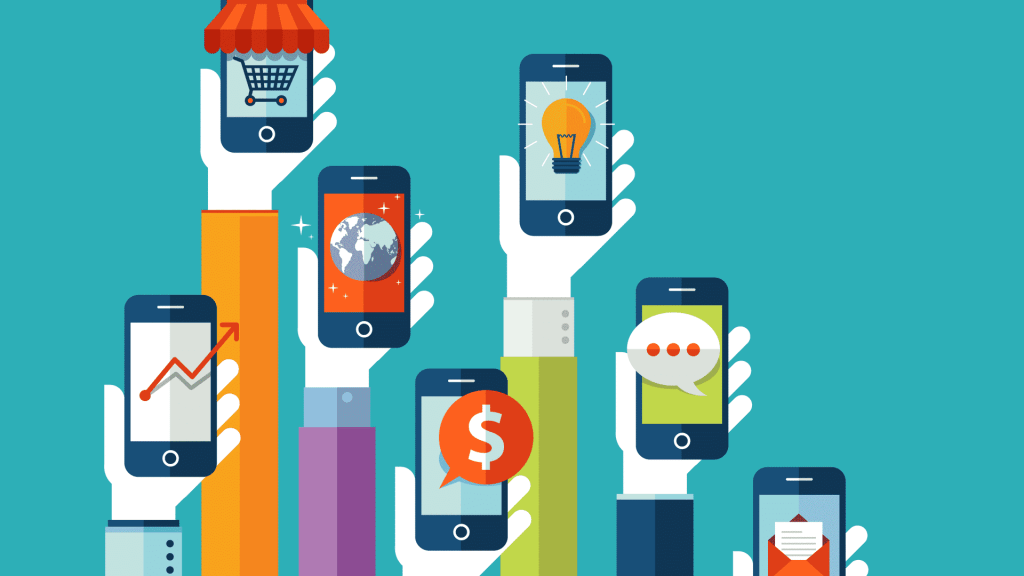
With the birth of the internet, businesses have had to adapt. Not only have we been given access to multiple websites, but we have also seen changes in technology. Print media still exists; however, to reach consumers like we did back in the day, we require modern-day technology, and this is where tablets and mobile phones come into play. We no longer need to dial an 1-800 number to reach our favorite business and place an order for a new couch. We can easily look up through search engines “ couch” and several websites will pull up, like Wayfair, and Rooms to Go. Even these companies will also pull up apps in some cases. A company like Victoria’s Secret will still send paper coupons to its consumers with limited image options for new releases. If a consumer that is new to Victoria’s Secret wants to purchase a new bra, because her old one is worn out, she can easily pull out her phone and search engine victoria’s secret and it will pull up www.victoriassecret.com, and victoria’s secret instagram link. however she can further that search engine and look up victoria’s secret app, and behold the app for victoria’s secret.
So why mobile marketing? It is cost-effective, and more people are purchasing things on their mobile phones nowadays. “ Users always carry their mobile phones with them. More often than not, the clients have their cell phones turned on, which implies, they get messages at the simple minute they are sent.”(Le Nguyen,2018) Email marketing is helping mobile marketing reach deals to your favorite stores. I am signed up for multiple stores’ e-mail notifications, the easiest way to get the newest releases and deals on the market.
Capitalizing on mobile marketing
Mobile marketing is more cost-effective than traditional marketing methods, and it is more convenient for both businesses and consumers. A business knows what it is accomplishing, and the consumer is easily glued to their phone. Victoria’s Secret still sends emails and direct mail marketing, but its app is the primary way consumers are engaged. “In-app messaging and push notifications play a significant role in how the lingerie retailer brings back repeat traffic to build sales.” (Johnson) I decided to test this in real time through the app, and the first thing I was asked to get push notifications, meaning my phone will notify me daily of Victoria’s Secret news and or deals. After signing up for my account, I can view my Victoria’s Secret rewards. A Victoria’s Secret member can earn rewards by subscribing to emails and texts, joining the VS community, writing a review, downloading the app, turning on push notifications, adding a birthday (birthday reward/coupon), and confirming their address. A consumer of Victoria’s Secret has multiple tiers that they can reach: Member (free), Silver (spend $300), and Gold (spend $750 or more).
Overview
In conclusion most of a consumer’s favorites businesses have apps that help them generate sales quicker than through other types of marketing, however each business also knows who their target audience is, if a grandma wants to buy her teenage grandaughter the newest PINK from victoria’s secret hoodie, grandma is not going to recieve a catalog of the new releases from PINK because print media is used in moderation and only sent as direct mail marketing. If Grandma has a touch-screen phone, she may not know how to download apps. If one of her family members downloads the app for her, she won’t be happy about the multiple notifications she receives from it. “Ad campaigns that are not relevant to audiences and/or are bad can backfire because mobiles are so personal and users don’t want to be interrupted with advertising they dislike . Often features and apps are complicated to use and take time and interest to learn” ( Le Nguyen, 2018)
(2021). App capitalizing mobile marketing [Photograph]. Google Images. 3auJA75Ck8lCAiIUQbU1w%3A1762743628651&ei=TFURafnDJ_GGp84Pxt7AuA0&oq=app+cap&gs_lp=Egtnd3Mtd2l6LWltZyIHYXBwIGNhcCoCCAAyBxAjGCcYyQIyBxAjGCcYyQIyBRAAGIAEMgUQABiABDIFEAAYgAQyBRAAGIAEMgUQABiABDIFEAAYgAQyBRAAGIAEMgUQABiABEiMrgFQ3o4BWLebAXACeACQAQCYAVSgAeMEqgEBOLgBA8gBAPgBAZgCCqACmwWoAgrCAgoQIxgnGMkCGOoCwgIKEAAYgAQYQxiKBcICEBAAGIAEGLEDGEMYgwEYigXCAg0QABiABBixAxhDGIoFwgILEAAYgAQYsQMYgwHCAggQABiABBixA8ICDxAAGIAEGLEDGIMBGAoYC8ICDBAAGIAEGLEDGAoYC5gDBZIHAjEwoAeaOrIHATi4B5EFwgcFMC4xLjnIByo&sclient=gws-wiz-img#vhid=14Tm9oAjOQyJXM&vssid=mosaic
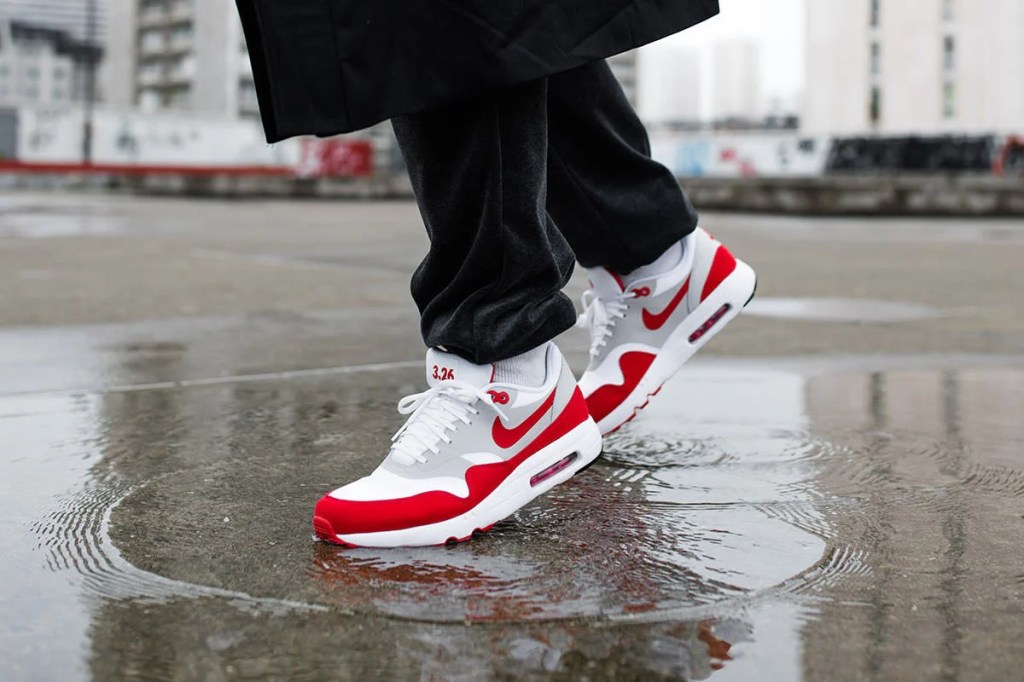
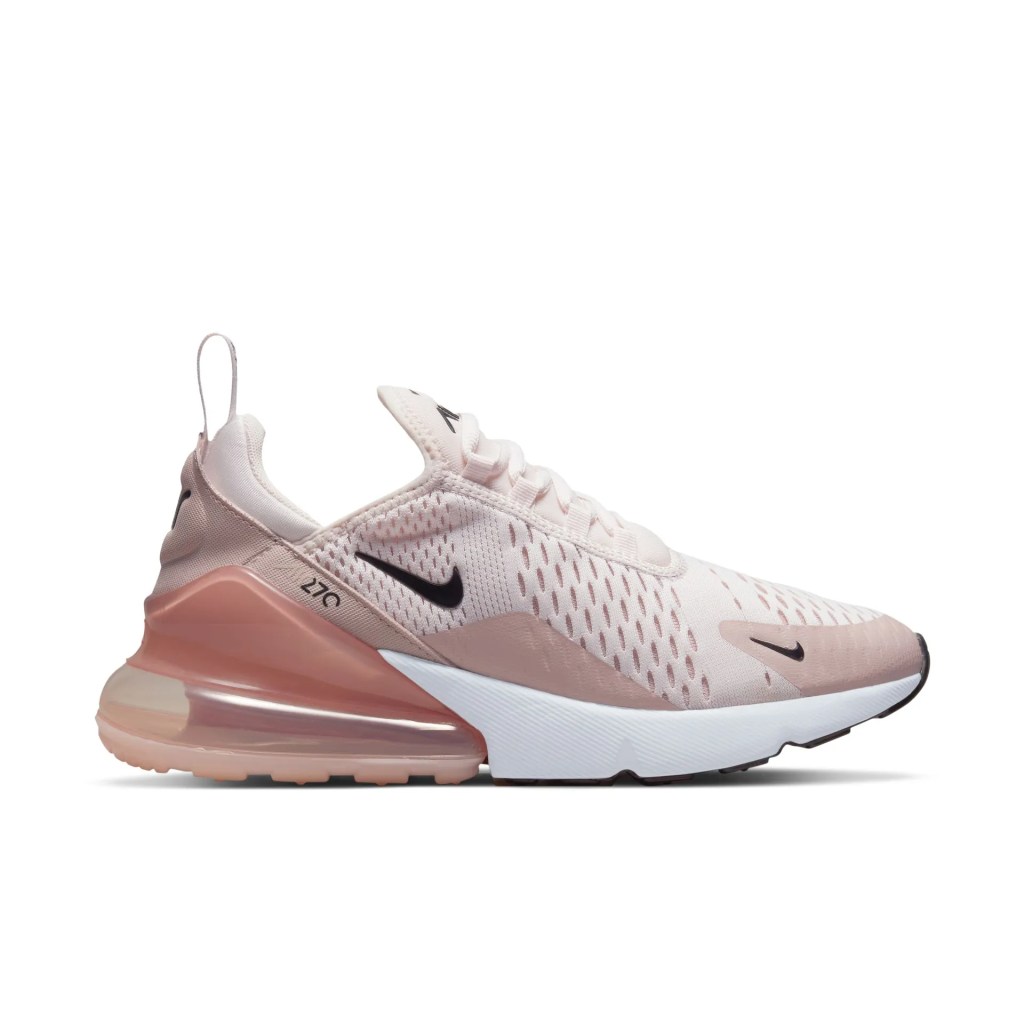
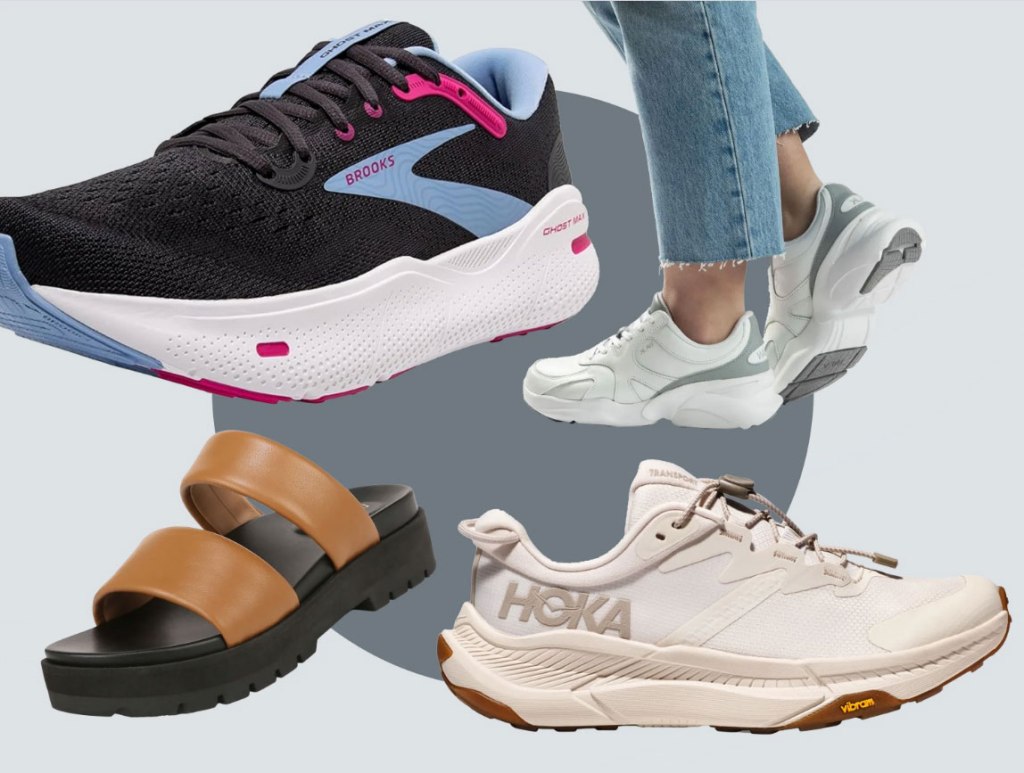
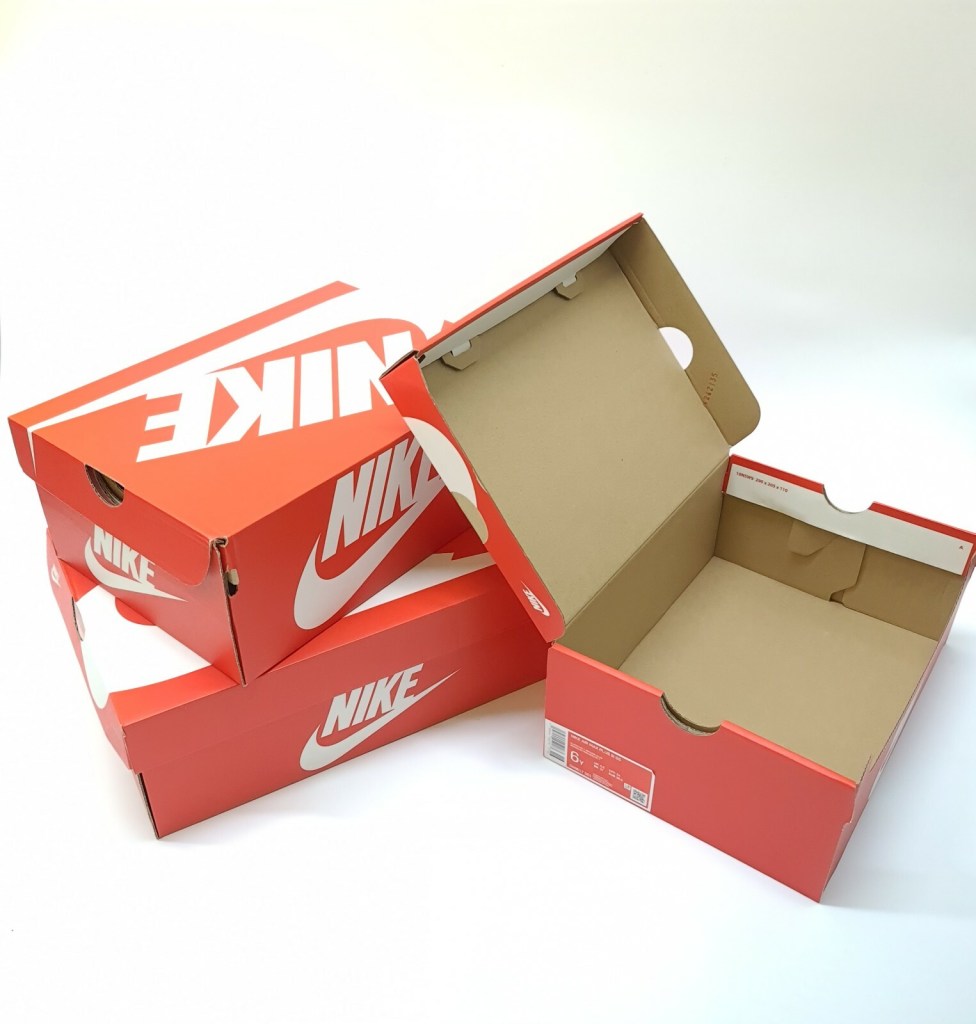
Nike continues to advance innovative technology in its footwear. The brand’s distinctive shoe designs drive significant interest among its followers. Developing a Nike orthopedic shoe would appeal to athletes recovering from foot injuries, such as plantar fasciitis, and expand Nike’s presence into an industry currently led by Brooks, Hoka, and Asics. The global orthopedic shoes market was valued at $5.45 billion USD in 2022 and is expected to register a revenue CAGR of 4.5% to reach $8.09 billion USD by 2031 (Growth, 2023). Launching a Nike orthopedic shoe demonstrates the market opportunity for orthopedic products. However, a shifting economy and changing tariffs are creating challenges for businesses and consumers.
Nike industry trends:
A pair of shoes can be customized to the consumers feet patterns. I had my feet scanned to get a perfect pair of shoes once before, I always assumed I was a size 9 regular shoe, but found out I was a size 8 and a 1/2 wide.
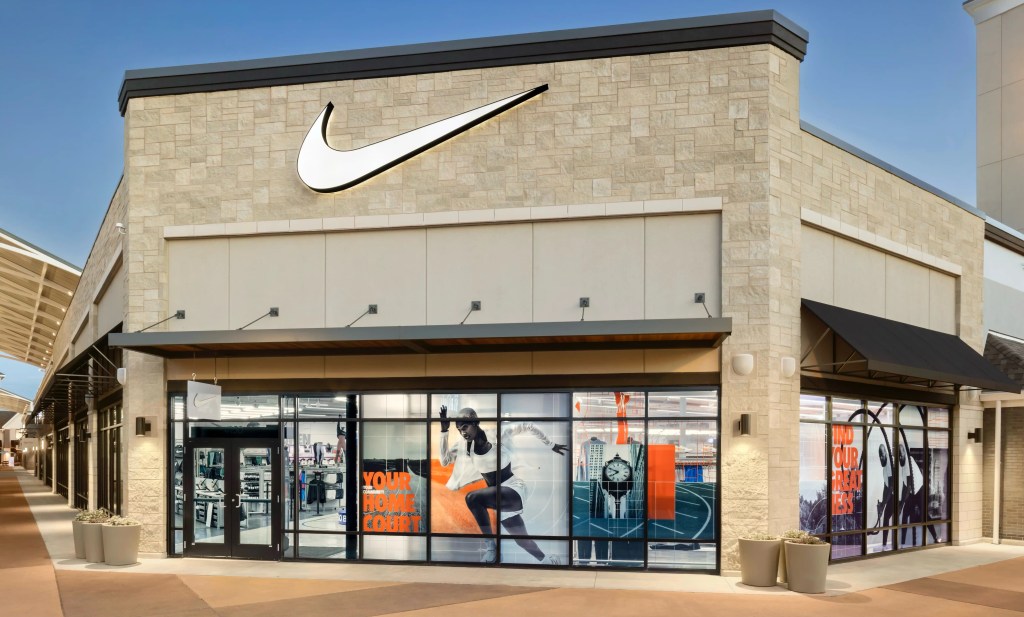
Offering a customization/ personalized fit station at Nike stores could benefit that doctors, nurses, and medical students get personalized shoes to adhere to their shoes. This is also beneficial to those who are non medical personnel.
Sustainability materials that would ensure the safety of the planet, and not just become a pair of shoes that end in a landfill after they are worn down.
Nike Orthopedic Shoe Implications:
Pricing strategy- Nike is know for offering decent prices on their sneakers, an orthopedic shoe is not a decent price. When talking about prices Nike shoes are below $100 for their sneakers. Orthopedic shoes retail between $150-$175 from Nike’s best competitors. Could Nike find a way to keep prices low or would Nike have to use different materials to avoid the cost of making the shoes.
Consumer perception of chunky shoes- I have once been told by a customer of the pharmacy that the shoes I had she wanted, she just didnt want the chunkiness of the shoe. Orthopedic shoes while comfortable tend to be chunky depending on the brand you are buying from. if Nike manages to produce an orthopedic shoe they would need to extensively research how to not make the shoe to chunky. Soeme consumers might see a chunky orthopedic shoe as a chunky heel. Women might not mind the chunkiness, males wont appreciate the chunkiness. Bulky shoes are unattractive.
Ethical and Legal Standards:
Legal alignment: compliance with advertising laws and health claims. Certain products that aid in the health or advertise in the health of the consumer need to showcase that in the packaging. false advertising of anything related to the health field goes to the False Claims Act(FCA). ” The FCA provides that any person who knowingly submits, or causes to submit, false claims to the government is liable for three times the government’s damages plus a penalty that is linked to inflation.”(u.s department of justice)
Sustainability and ethical production: with sustainable products, Nike has had trouble sticking to the narrative. Nike is trying to eliminate waste within the company. “when waste is produced, we systematically maximize diversion from landfill and work to achieve an 80% recycling rate.”(nike.com)Nike is also working to achieve the elimination of waste within the company in tiers based on the products produced and the materials required for the shoes that are currently being produced. a business needs to focus on making sales and being able to hold on to a company that is sustainable and cares about the environment. “In FY24, our textile-to-textile recycling initiative, which transforms polyester scrap and elements like laces into new material, has collected over 135 tons of high-PET (polyethylene terephthalate) content textile scraps for recycling and reincorporation.”(nike.com)
Limitations of Nike research:
Limitations on consumer data for orthopedic shoes: As a person who wears orthopedic shoes i believe that the consumers that use them, use them to get relief from their everyday tasks and work. The orthopedic shoes are available in online retailers and only small brick-and-mortar stores. Consumers that buy orthopedic shoes are normally people with feet problems, and the elderly.
Insuficient data performance for orthopedic shoes: Could the brands that make orthopedic shoes have the technology hidden for their shoes, so other brands don’t produce similar shoes to the ones that actual orthopedic brands have created. Could they be hiding the data that the actual shoes has on the consumers that buy them. Each orthopedic shoe from each brand that makes them have different materials and insoles that make the performance unique to that particular brand.
Nike is a brand that is very well known for its swoosh logo. Style is the name of the game. The selection of shoes to choose from is extensive. One would question if the shoes are comfortable and for those wanting to style in their shoes would say yes, for someone who works in the healthcare field or is on their feet standing all day these shoes/ brand wouldnt be ideal. For a healthcare worker style is a thing of the past during their job hours and comfort is key. Could Nike work towards creating a shoe that is orthopedic? Or are brands like Asics, Brooks,and Hoka’s the key leaders in orthopedic wear without meeting style.
Target Audience:
The target audience for Nike is those that are wanting style and comfort. Millenials and Gen Z are the primary audience to Nike’s market. Both males and females can be seen with nike shoes. Athletes are the ones that are seen with Nike shoes. Nike is a lifestyle brand of sorts. In high schoool you can see students with Nike shoes. Nike markets their shoes through social media like Twitter, Facebook, Instagram and TikTok. Overtime the tartget market will change for Nike and thus we will be in a new era of consumers. I was once told by a dance teacher that my heels I liked to wear around the high school campus would do more harm than good to my feet overtime, because she had been in my shoed before and done the same thing. An orthopedic shoe would bring forth to Nike a new era of consumers and an even bigger target market like Generation X, and Baby Boomers. The creation of an orthopedic shoe will bring forth doctors approvals from the American Podiatric Medical Association will give it the stamp of approval.
Sizing up the competion:
If Nike were to expand into an orthopedic shoe it has some cometition going against it: Hoka, Brooks, and Asics just to name a few would be Nike’s biggest competitors into an orthopedic shoe. Hoka, Brooks, and Asics have a huge following from students in nursing programs, to Jeremy Renner and Brooks being his favorite, even this author is a fan of all three due to her job as a pharmacy technician. The technology created by each company into the shoes creates comfort and ensures that long days standing and runnning in a cubicle dont cause tired achy feet. however if there is one thing the competitors could work on is style, which is something that would make Nike stand out from the competition. We will review Brooks as Nike’s biggest competitor.
The competitions Strategy featuring Brooks:
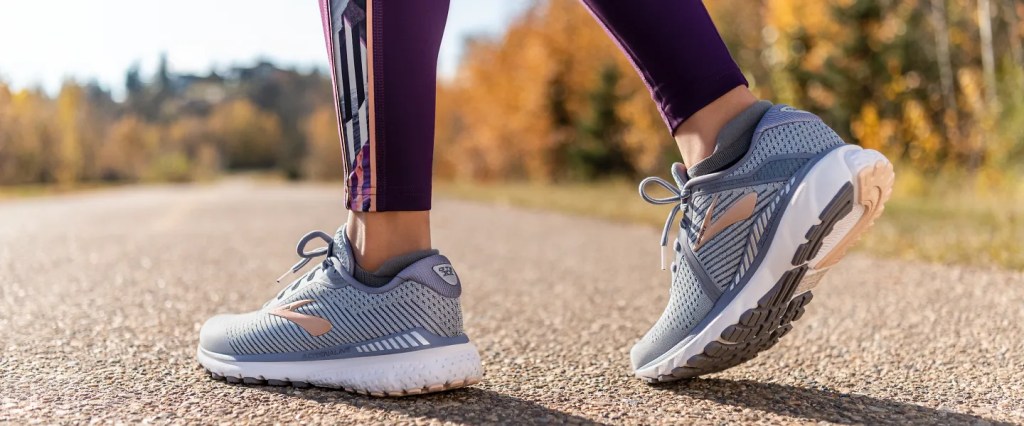
When it comes to Brooks shoes they are the most cofortable pair of shoes you will wear. brooks is a dedicated running brand of shoes creating technology that is comfortable and supporting for running. Brooks are sold within Dick’s Sporitng Goods and Academy Sports and Outdoors, with most of the sales being done online. Brooks shoes are between the mid-high range pricing becuase of the quality of the shoes and the fact that they are meant to be orthopedic. The loyalty for these shoes is through the community that actively wears them becuse its the same way I got my first pair of shoes, by asking for comfort as opposed to style. Also digital engagement on youtube and instagram helps the company succeed.
External Factors:
If Nike were to create a new product one of the external factors for the creation of the product would be technology, because the competitors in the orthopedic shoe creations have been working for years to perfect their product. Could Nike be able to step up to the challenge of creating a product that would be deemeed worthy by those who appreciate orthopedic shoes? Would the American Podiatric Medical Association(APMA) be willing to help Nike come up with the technology for their shoes? Would Nike have to patent the technology for orthopedic shoes? Do their competitors even have pantents for the technology for orthopedic shoes?
Nike Product Research:
For a new product to be launched at Nike it would require extensive research into what components are required to create an orthopedic shoe. Can Nike bring the same quality of style to an orthopedic shoe? their competitors are at the top of the game when it comes to the orthopedic shoe, however the style is lacking because it is not a Nike shoe at all. If Nike could create both style and orthopedic comfort sign me up ASAP. They would also need to survey what kinds of foot problems people suffer from and if the shoes can be used by all the consumers with multiple foot problems or just the ones with a particular product.Accorfimg to APMA.com Nike does have an ortophedic shoe however it does not compare to the vast amount of shoes approved by the same association with Brooks running. This means that the game is being won by Brooks in orthopedic care. If Nike were to manage to step into the game of orthopedic shoes they could generate more revenue than the one that they are already earning for their company.
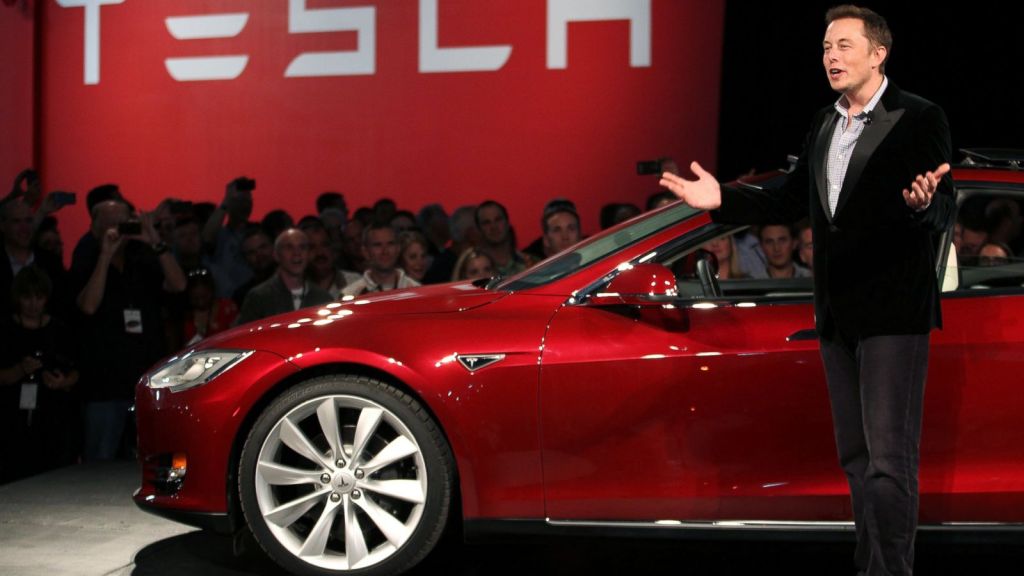
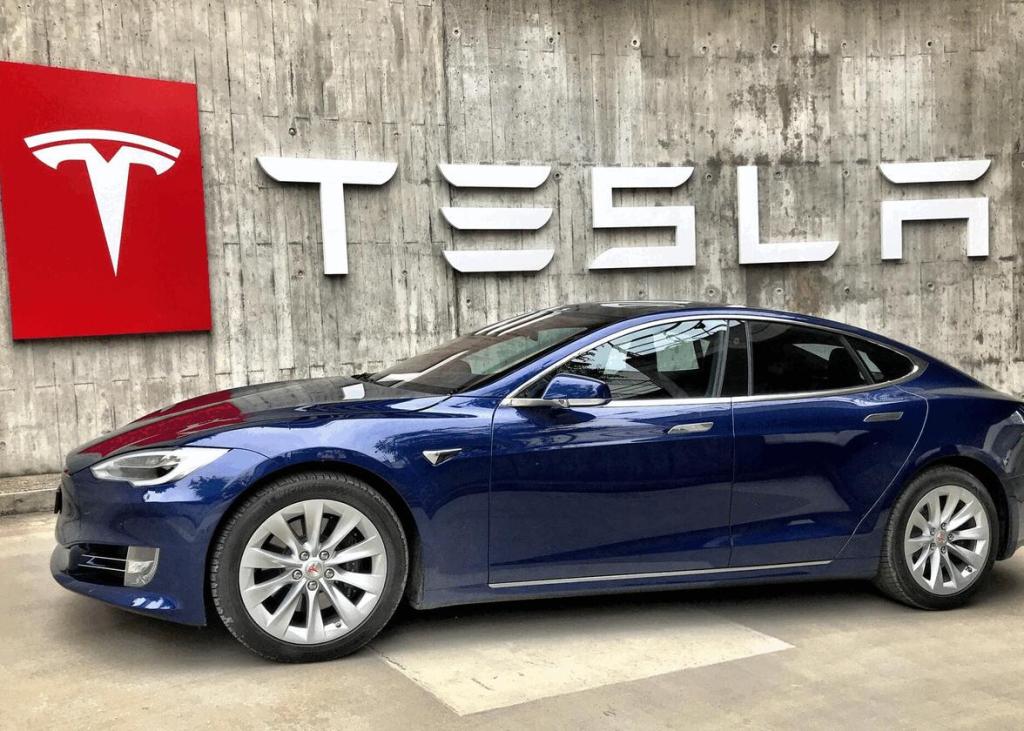
When one hears the word Tesla, the first thing that comes to mind is being in science class and being taught about electricity, and thinking, Why is the car company named after Nikola Tesla? Tesla Motors Inc. was founded on July 1st,2003, by Martin Eberhard and Marc Tarpenning. In 2004, Elon Musk became an early investor in Tesla, eventually becoming its CEO. Tesla cars run on electricity as opposed to gasoline, making them friendly to the environment since they reduce greenhouse gas emissions and reduce dependence on fossil fuels. Recently, there have been several problems with the cars that Tesla manufactures. Could Elon Musk be more interested in making a sale than in the safety of the car?
Ethical concerns of Tesla:
With every car that is manufactured, it is tested multiple times for safety issues. You’ve probably seen a video or two back in the day of car companies testing their cars with dummies in the passenger and driver’s seat to test for airbag deployment to ensure that if that vehicle makes it to a family buying it, the airbag will save them. According to Tesla.com, their vehicles are manufactured in the following bases: California, Nevada, New York, Shanghai, Texas, Berlin, Kato, and Lanthrop.
Safety Concern
Tesla, while friendly to the environment, is not so friendly for the consumer to choose. Among the many safety concerns of Tesla cars is battery safety. A battery, over time, can cause corrosion or explode if overheated, the same way you wouldn’t leave your car running in the garage during winter for warmth because of carbon monoxide poisoning. A battery can cause a fire, and even the charging unit for the car can cause a fire. “The fire on Monday, July 21, in Lewisville, Texas, was started by the car charger device in the garage,” spokesman Matt Martucci said, adding that the “intense” flames primarily damaged a second vehicle – a Lexus parked inside the garage — and the upper floors of the home.”(Wallace,2025). What would happen to the passenger driving a Tesla if it caught on fire? Would the passenger survive or die? “the Cybertruck is “defectively designed” because a driver cannot open the door to escape once the electric power is lost. It also claims that Tesla doesn’t provide adequate training or warnings to help occupants escape their vehicles after crashes.”(Ochs,2025) All of these incidents could have been avoided if Tesla had run some tests and come up with solutions to help their consumers, then the driver who couldn’t open his Cybertruck burned to death; now Tesla is facing a lawsuit. There are solutions to the countless problems in vehicles. When the Cybertruck first came out, several of them were recalled. Did Tesla not run enough tests before releasing to the consumer to buy?
2. Environmental Impact
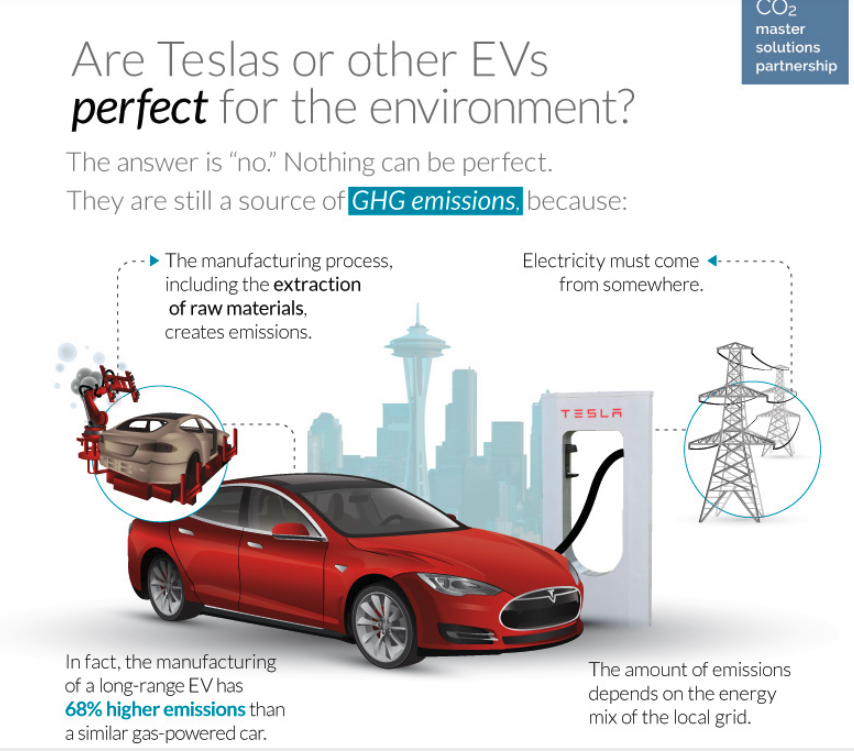
While the goal of Tesla is to help the environment with its cars, let’s not forget how manufacturing plants have been run since the Industrial Revolution. Manufacturing plants require electricity, and while Tesla manages to run its manufacturing plants on solar panels, one can’t help but wonder if Tesla’s manufacturing bases are good for our environment. “In 2022, Tesla published its 2021 Impact Report, in which it disclosed its greenhouse gas emissions from its operations and the charging of its electric vehicles. Based on this data, the company’s carbon footprint was 2.54 million tons of carbon dioxide.” (LeLourec,2023) If Tesla cars are able to be good for the environment, shouldn’t the employees and board of Tesla Motors Inc. be looking for solutions to help the environment, as opposed to releasing greenhouse gas emissions from the manufacturing plant? Solutions are possible. Greenwashing your company by creating a product that’s good for the environment earns you points with people who care about the environment; however, if your company’s yearly report states that you released millions of tons of carbon dioxide, you are not being truthful with the consumers who are interested in your product.
Legal Issues of Tesla:
Anything that happens within a brand normally does not stay within the brand. The consumer can always sue the brand if they realize or notice that the business is at fault for something they have created. A vehicle provides airbags, but if the airbags were not tested before installation by the company, then the company is at fault for whatever happens when the vehicle leaves the car lot. The business, if taken to court, can opt out of a jury and pay what the party is asking for to avoid trial. Anything having to do with legal issues within a company can bring a company’s stock down if applicable.
Product Liability issues
We all know not to text and drive, while I dont drive yet, I was taught several times not to text and drive, my local Ford dealership even had a do not text and drive scholarship.’ I particularly remember an assembly my freshman year of high school where the projector screen of the gymnasium came down, there were police officers everywhere, and we saw a student-made video of the consequences of drinking while driving. The students in the video going to a liquour store and being denied the sale of liquor, the students found a way to buy the liquor buy having someonse going into the store buy it for them, the teens then got in the car with the liquor that was purchased by someone else and were drinking in the car, the car crashed. The video ended, and the officers in the gymnasium told us to evacuate outside for the remainder of the segment. When i got outside i was front and center watching the students reenactment of the crash, one teen through the windshiled, the driver beside the car alive but disoriented, the backseat passenger had his/her head against the glass of the back window, then i heard the scariest noise possible the sound of the fire engine, the EMT’s/firefighters arrived the passengers in the reenactment dead, the lone survivor the driver. Everyone watching stood in shockingly quiet. We knew that if that was a real situation, she was done for, going to prison, her life would never be the same. While Tesla has created an autopilot feature within their vehicles, I view it the same as texting and driving. We study and take a driver’s test for a reason, for us to be the driver, not some fancy feature in the car. The autopilot feature gives those who own one the ability to do something other than driving. You might as well give me a Tesla for free without the need for a driver’s license. We have to view the autopilot in the same way as AI developing within technology apps. Tesla states that the autopilot should be used under the driver’s supervision, but if the driver is busy with other tasks while autopilot is on, then the driver and the company are at fault for providing an autopilot feature in their cars. I would recommend that Tesla remove the Autopilot feature from all their vehicles, so that the consumer wouldn’t be tempted to use it. “In Miami federal court, Tesla is preparing for trial in the first third-party wrongful death case tied to its autopilot system. The lawsuit concerns a 2019 crash in the Florida Keys where a Tesla Model S, driven by George McGee with autopilot engaged, collided with a stationary Chevrolet Tahoe. The impact caused the Tahoe to fatally strike pedestrian Naibel Benavides Leon.” (Weidman,2025)
2. Workplace Safety
When we are hired by our employers, we assume that the employer has our best interests at heart. For example, I am a pharmacy technician, before that i was a cashier working close to 35 to 40 hour weeks and earning $7.65 an hour, by my next paycheck working for Walmart I was making $9.00 an hour, I eventually put my transfer in 6 months later to the pharmacy since I was in college at the time and couldnt focus on my studies due to clocking in at 4 pm and clocking out anywhere between 11 pm and 12 am, and being back in school by 8 am, the management in charge of the cashier’s didnt have my best interests at heart. When I transferred to the pharmacy, I was in a welcoming environment, while not making a lot of money straightaway. As of now, im making $24.93 an hour, have health insurance, paid time off, a 401 (k) that I contribute to, and the company matches 6%, and the company is paying for my tuition. However, the most important thing is that in the pharmacy we follow guidlines that keep us safe thanks mostly to the Texas Board of Pharmacy since we are required to train every two years to renew our certification and we learn about OSHA(Occupational Safety and Health Administration), this is to ensure that the drugs we are counting dont cause us any harm, especially since we fill from time to time hazardous drugs needed for chemotherapy, hormonal drugs, antiviral drugs, immunosuppresant drugs.
When thinking about OSHA in a manufacturing plant, you would assume they follow guidelines to keep their employees safe, since certain chemicals that can be used may be deadly and or cause harm if not handled properly. The factory worker would have to wear personal protective equipment(PPE) to keep themselves safe, and the business should be able to provide this to the employees themselves. If a business is at fault for the safety of their employees, not only do they not care, but they can also be held liable. The employer should be able to offer PPE to their employees to keep them safe. The business should care about the people who work hard every day to see them succeed, not cut corners. “After discovering that four employees at the Austin site had been exposed to dangerous chemicals without the appropriate training or safety precautions, the Occupational Safety and Health Administration (OSHA) penalized Tesla close to $7,000 in November 2024″(Rhodes,2025). There are more issues that the consumer should know about. As an employee myself, I wouldn’t want to work for a company that cares very little for its employees.
Conclusion:
As an employee myself, I wouldn’t want to work for a company that cares very little about the safety and well-being of its employees. As a consumer, if I were to ever get my driver’s license and had enough money to afford a luxury vehicle, it wouldn’t be Tesla. For a company that cares about the environment, they need to re-evaluate the ideals within the company that care about the environment and find solutions and alternative sources to be able to manufacture their cars without contributing to carbon emissions and potentially fossil fuels within the manufacturing plants. Tesla also needs to focus on the safety of their consumers. There are devices that are able to help people escape from cars in case they crash into a pond or lake. Tesla may want to enhance and test multiple ways to enhance the safety of the consumer in case a fire were to start in the car. I remember seeing a TikTok or Instagram video of a family test driving a Tesla and they had stopped to swithc places and the baby got locked in the car with the key inside the car, that’s a parents worst nightmare, the air condition was running in the car so the child was not going to be overheated, but the parents couldn’t get a hold of Tesla to open the car from their headquarters, the fire department had to break open the window and the baby was safe, the parents ended the video stating they wouldn’t be purchasing the Tesla. Consumers nowadays pay attention to news articles and social media for recommendations.
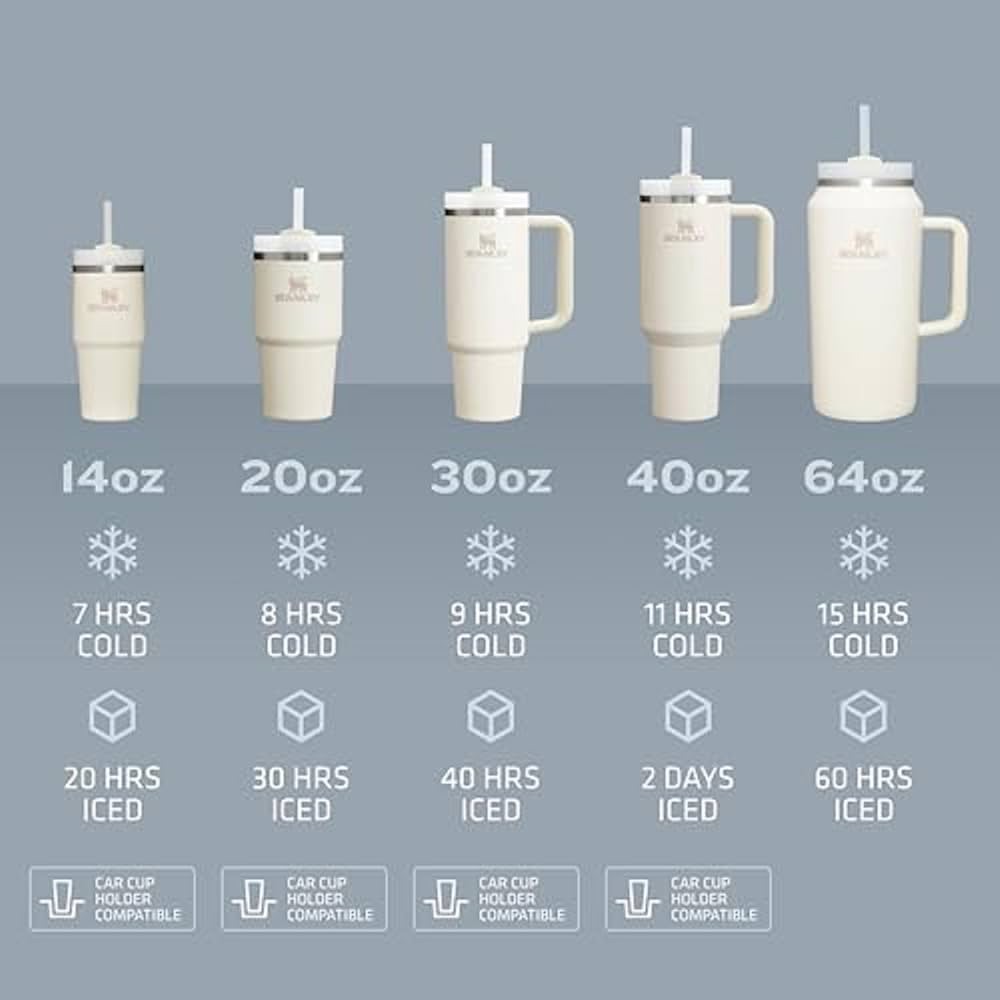
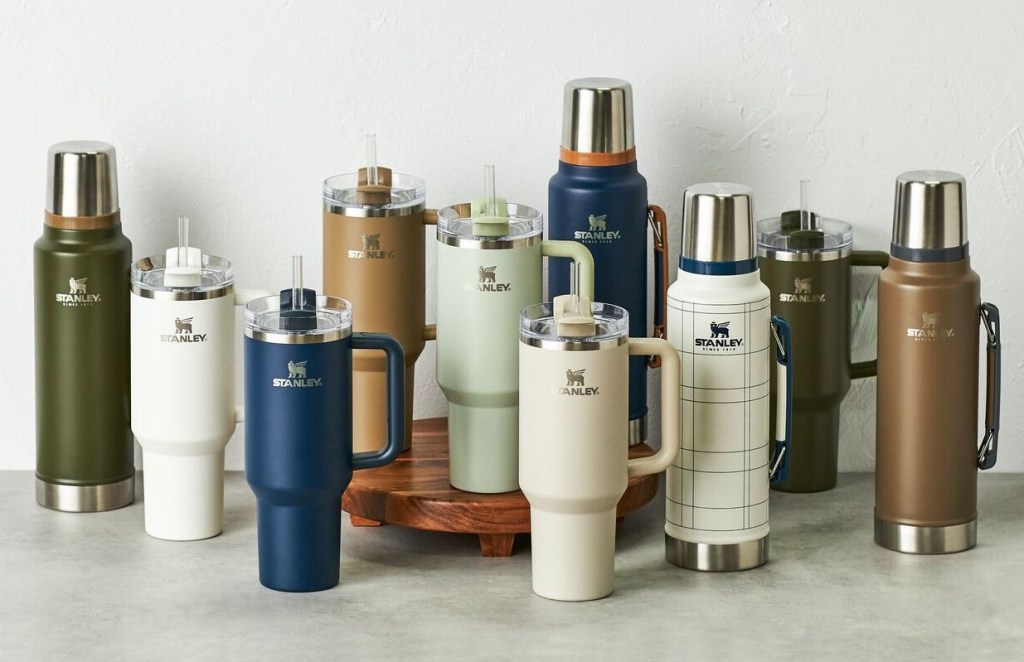
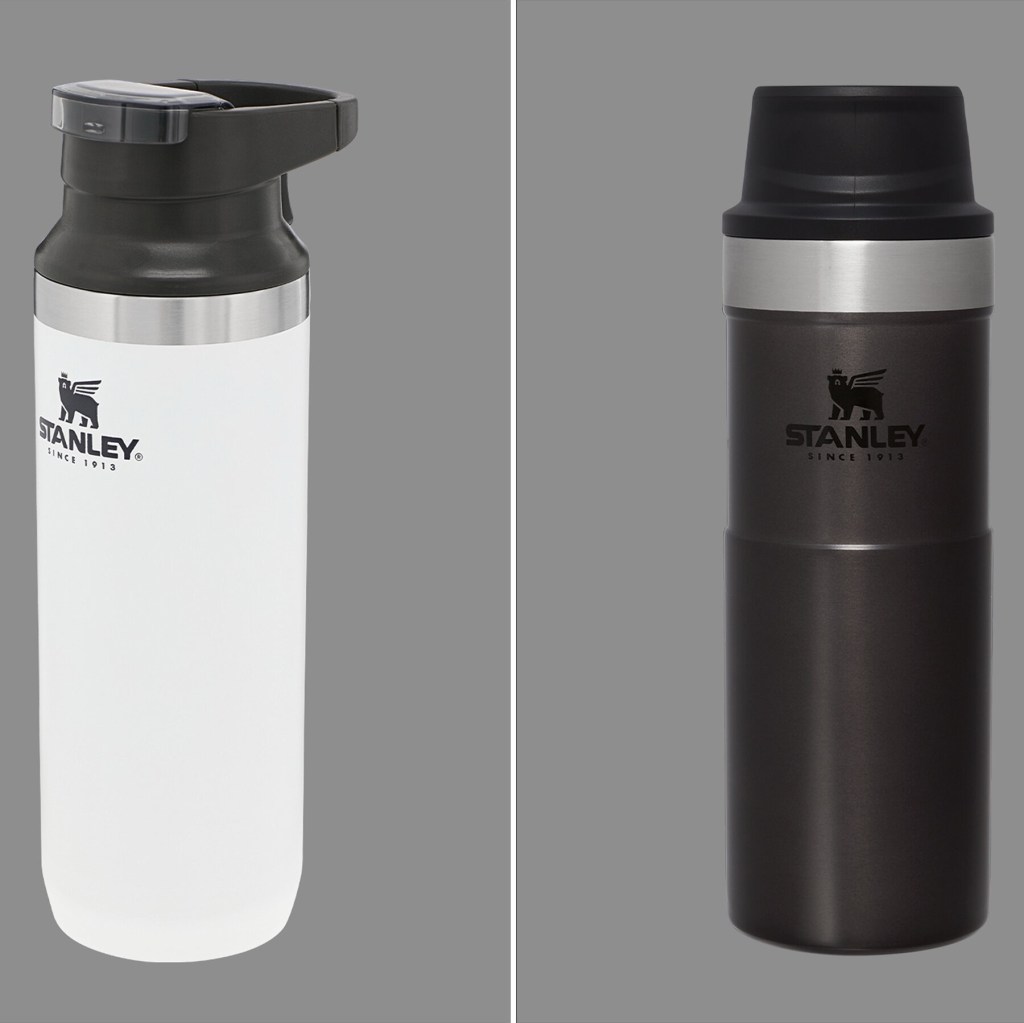
When one thinks of Stanley, it’s essential not to confuse it with the Stanley Cup. Even now, when I google Stanley, I have to be careful about which Stanley I’m looking for. The Stanley we’re discussing is the one that’s likely appeared on your Facebook feed and Instagram, and it’s clear that many of their consumers are buying these off the shelves as if they were the last products on the planet. Why do people even collect so many of these cups? However, I should be one not to judge so quickly since I have three of these cups within my collection.
A Quick History about Stanley
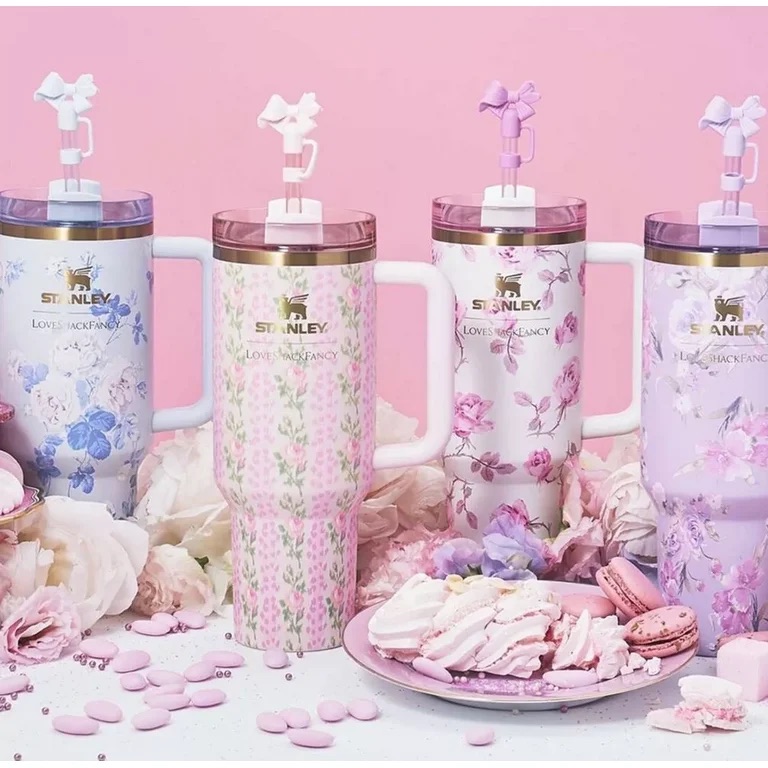
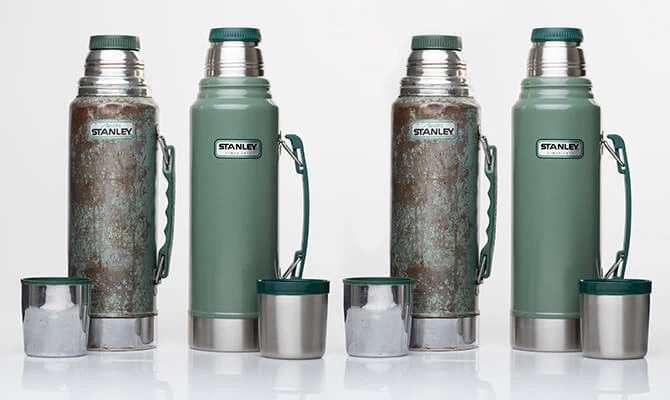
Stanley was founded in 1913 by William Stanley Jr. At the time the Stanley Cup was used to keep drinks hot, like coffee or tea, but most importantly catering to the blue-collar workers of the time. While the Stanley company has been around for more than 100 years, I can’t help but wonder why this company has recently seen a boom in the last several years, and why more recently people fight over newly released colors at stores like Target. The amount of TikToks I’ve seen about people fighting for these cups is insane and laughable because I wouldn’t be caught dead fighting for a $40 cup. I guess now would be a good time as any to mention that I’ve been in a Stanley que before but not in person, it was online and the cup I got retailed for $60 and was a limited edition, and the stress waiting to check out was unbearable, but so worth it.
Stanley and its recognizable logo
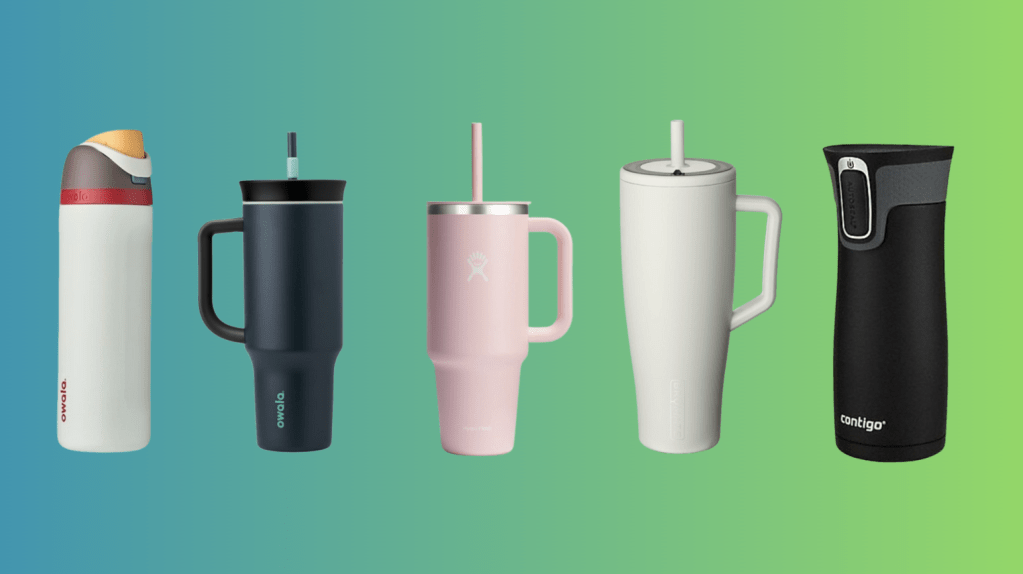
One can’t help but wonder if Stanley has been using the same logo for the last 100 years, or if Stanley reinvented the logo to popularize to the crowd it’s trying to target. ” The new mythical bear logo is inspired by you and all the people that make Stanley the legendary brand that it is today.”(Stanley1913.com) Up close and personal it is a bear that identifies Stanley from other brands like Yeti, HydroJug, Owala, and Corkcicle just to name a few.
Stanley’s Success as a Brand
The logo succeeds in attracting the consumer to buy a Stanley, however, it’s the appeal and sleekness that make Stanley succeed among the consumers. I’ve seen countless images on my Instagram and TikTok feeds of consumers with multiple styles and figuring out where to store their latest collections. Working in a pharmacy we dont drink plenty of H2O, however, when I showed up with my first Stanley I was given the “Oh you have one of those cups now.” The logo, the colors, and the countless releases that Stanley does are what makes it succeed. They want your money and they will get it in one way or another. While the brand is successful it doesn’t mean that there aren’t consumers ready to tear down the brand, and truly reveal what Stanley is hiding.
Stanley Fails in early 2024 with lawsuit
I remember the headlines as if it were yesterday, the day Stanley got sued because of lead in the tumblers… While most of Stanley’s consumers are adult women, some of these women may have kids and have probably gifted their children their own Stanley Cup so that they can drink enough H2O in a day. When stuff like this is released it can send the parent into a state of worry wondering if their child will fall ill due to lead poisoning. “As the manufacturer and designer of these products,the Stanley defendants knew or reasonably should have known about this lead issue for years but choose to conceal it from the public presumably to avoid losing sales.”(Wile,2024)
Stanley fails in late 2024 with recall
Stanley your consumer base loves you because of the fact that you release multiple colors and cause frenzy within the consumer every release, however, you have failed us twice in a year. As a coffee drinker, I prefer my own Starbucks coffee tumbler for my coffee, even though Stanley could keep my coffee hot if I would only invest in a cup like this. Looking at this cup it seems harmless that one can’t help but wonder what the research team is doing at Stanley HQ. ” Stanley is recalling is recalling 2.6 million mugs sold in the U.S. after the company received dozens of consumer complaints, including some users who reported getting burned and requiring medical attention.” (Picchi,2024) A burn caused by a hot drink is not a meh injury its a severe injury. Burn injuries cause tissue damage there are several types of burns one can get and several burn degrees.
How Stanley can Change their Brand Again?
While they are still succeeding in making sales, Stanley can change by doing the following:
Being open and honest to the consumer- Some businesses when shipping out products to the consumer send out cards that detail how the consumer should care for their items, Stanley could put a card inside the tumbler detailing that they care for the consumer and that they are working into making the brand better despite its setbacks within the lead lawsuit and the recall.
Researching the products released thoroughly- As a consumer we do constant research into the items we want to buy. The business should thoroughly research and test every product they want to release to ensure the viability, stability, and health of the consumer. The incident with the lids and the recall could have been prevented if they had just thoroughly ensured those lids were secure and safe in all types of environments and for all drinks.
Conclusion:
In closing Stanley is a brand that has established itself at the forefront of its competitors. The brand itself could be more open and honest about the tools/ items going into making their tumblers to avoid lawsuits like the one mentioned above. We as consumers should delegate and do thorough research into the brands we want to support.
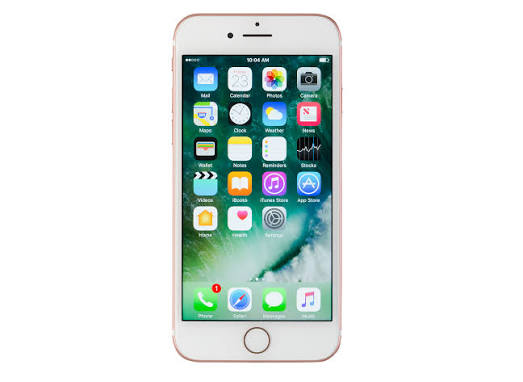
Apple Inc. is known for its wide variety of products, from the famous iPhone to its computers, tablets, watches, headphones, and iPod. One doesn’t need to know a lot to know that Apple is at the forefront of technology. Apple inc was founded by Steve Jobs, Steve Wozniak, and Ronald Wayne. Apple is widely known to the consumer market, if youve paid attention to someone just randomly while waiting in line for a coffee or just at the grocery store, you would either see the person busy chatting on their phone or sending a text message, have you ever paid attention to the phone they have in hand its either Samsung or Apple as those are the two more popular brands on the market for cell phone carriers, the latter being the more popular within the consumers because its easier to connect to all your Apple branded devices. Apple releases products yearly, creating better and improved versions of the previous years models they have released. Apple listens to the needs of the consumer. When i got my first iphone almost a decade ago the colorways for the phone were gold. black, and silver, the consumer wanted a new colorway for the phones, at the time the new colorway was meant for the female consumers since they wanted something more feminine and apple did just that with their rose gold iphone, not only was the color feminine and chick but it was just exactly what was needed to meet the consumer needs. Even now Apple still makes a pink Iphone, however over the years,this highly requested color has changed in the way it looks.
Here in the next couple of days, Apple will release a new Macbook Air in a sky blue color could the consumer be requesting more colors for the technology Apple is releasing, or could something have been released in previous years in sky blue that they noticed sold out within the company website themselves or a retail company like Best Buy or Target. If I could help Apple create a new product, it would be their Airpod Pro 2, but lets make them in more colors as opposed to the traditional white, while this product does offer customizable cases the headphones have been the same color as the first pair Apple released in 2016, while several upgrades have been done over the years, Apple could profit from an easier to carry headphones in different colors to meet the needs of the consumer. The buying process for these new colorful Airpods would be those that enjoy the same colors within their Iphone, and Ipads. This would appeal to students because, they are the ones staying on top on the klatest technology, and trends and parents normally please their kids with new products as birthday gifts, christmas gifts, graduation presents, or even for good grades in school. Right now to meet the need they are using Bets Solo Buds, Beats Solo Fit Pro,Beats Studio Pro, and Beats Solo which come in several colors and sizes depending on the preference to the consumer. Another consumer that gives Apple a run for its money in headphones is Galaxy Buds 3 Pro, however this headphone set only comes in silver and white.
Apple’s major competitor is Samsung because they specialize in the same products as the competitor. However, Samsung has a slight advantage over Apple in that they also sell household appliances, whereas Apple does not. A family that has moved into a new house may be compelled to buy a new washer, dryer, and refrigerator from Samsung, which is the only way in which the consumer may be buying from the competitor as opposed to Apple in this scenario, which then the consumer would be inclined to change from their Apple iphone and technology to Samsung technology because it can be connected to the many features included within the appliances.


 Site Title
